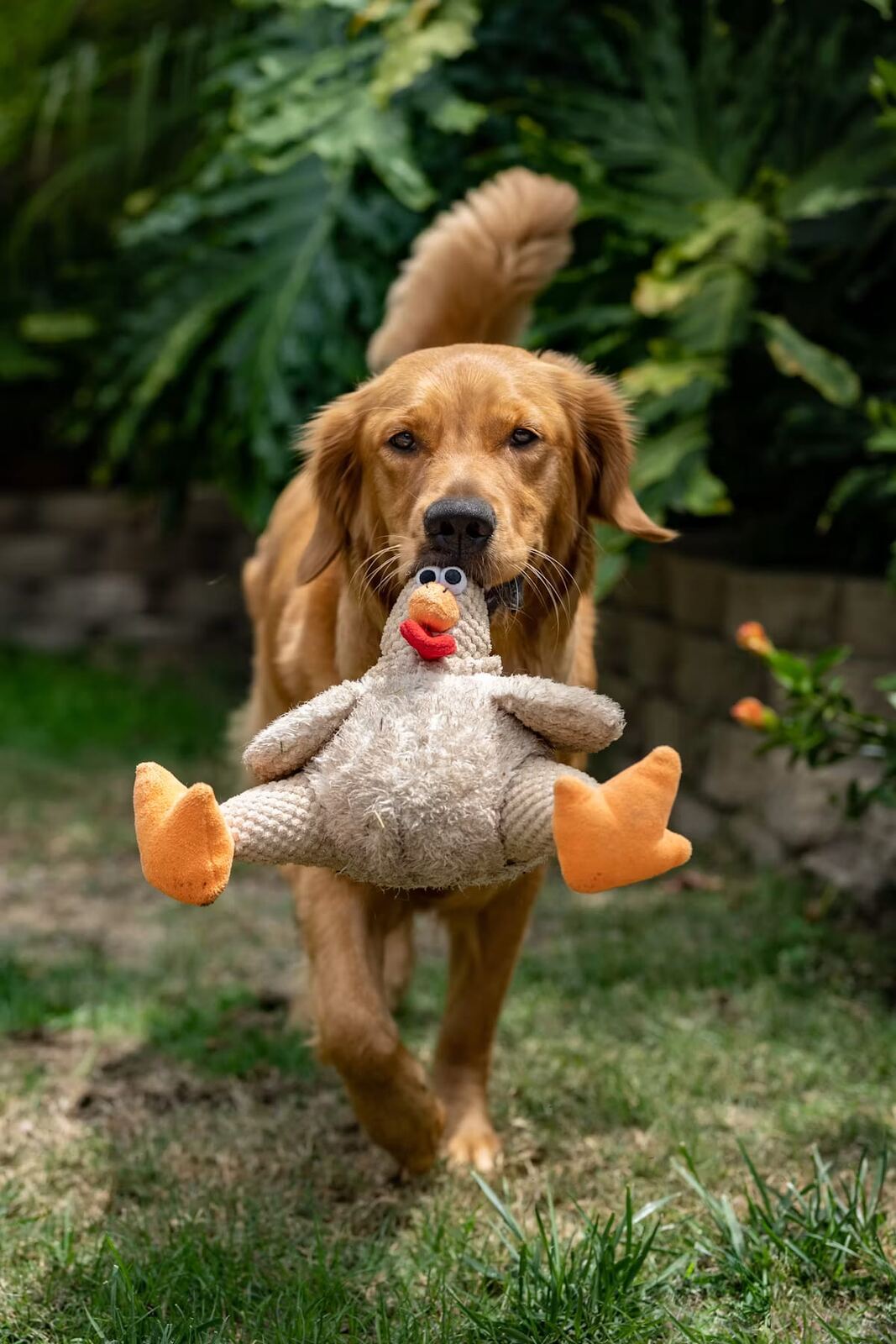
Enrichment Activities That Actually Improve Your Dog's Wellbeing

"Enrichment" sounds like a buzzword, but it has a real, specific meaning: giving an animal ways to do what they're actually built to do, not just piling on random stimulation. For your dog, that means matching activities to what their breed and instincts were actually shaped for — not just grabbing whatever's trending on a pet toy list.
Why generic toys aren't the whole picture
A pile of squeaky toys addresses play, but it doesn't necessarily address a scent hound's need to track, a herding breed's need to problem-solve and control movement, or a terrier's instinct to dig and investigate. Real enrichment starts with an honest look at what your specific dog's breed background (or best-guess mix) was actually bred to do, then finding safe, modern outlets for that instinct.
Enrichment by category
Scent work (for scent hounds, and honestly most dogs)
Hiding treats around a room, a snuffle mat, or structured nose-work games — see our interactive toys guide for specific product options. Scent processing is mentally taxing in a genuinely tiring way for most dogs.
Problem-solving (for working and herding breeds especially)
Puzzle feeders, trick training, and structured obedience work that requires actual thinking rather than repetition — breeds bred for complex working tasks (Border Collies, many working-line retrievers) often need this more than they need additional physical exercise.
Chewing and destruction (a genuine need, not just a puppy phase)
Appropriate chew outlets (durable chews, frozen stuffed toys) satisfy a real behavioral need across a dog's whole life, not just during teething — a dog denied any legitimate chewing outlet often finds an illegitimate one instead.
Social interaction
Structured play with other dogs, when appropriate for your dog's temperament, meets a genuinely social species' need for interaction beyond time with humans alone.
Rotating for novelty
Even well-matched enrichment loses effectiveness with constant repetition. Rotating activities — not necessarily buying more, just varying what's available and when — keeps engagement genuinely high rather than routine.
Enrichment across life stages
Puppies benefit from gentle, varied exposure that builds problem-solving confidence early. Adult dogs benefit from consistent, breed-appropriate outlets that prevent boredom-driven behavior problems. Senior dogs still need mental enrichment — arguably more than ever, given the protective role mental stimulation plays in cognitive health — even as physical intensity is adjusted for comfort.