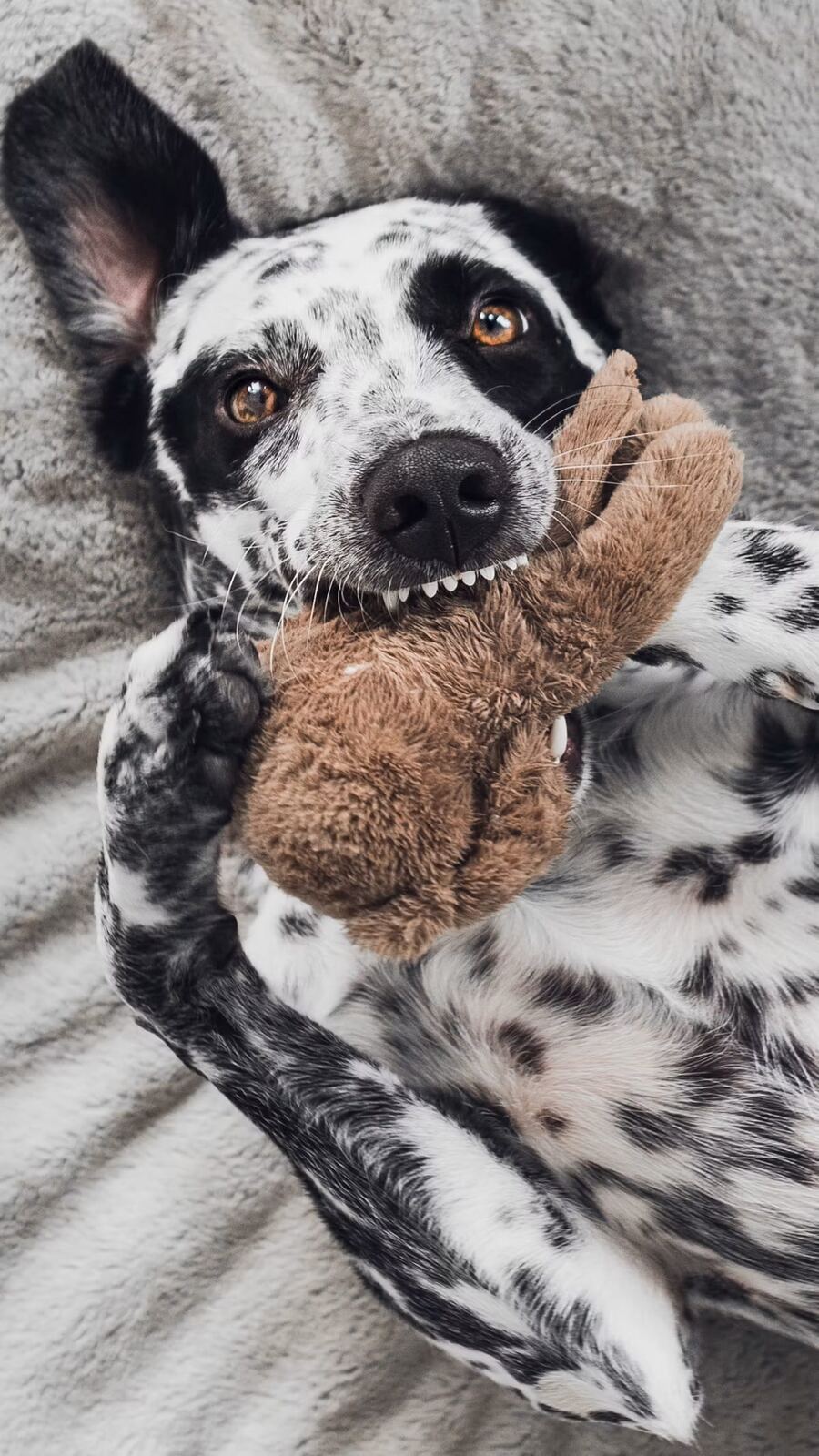
Best Interactive Dog Toys for Mental Stimulation
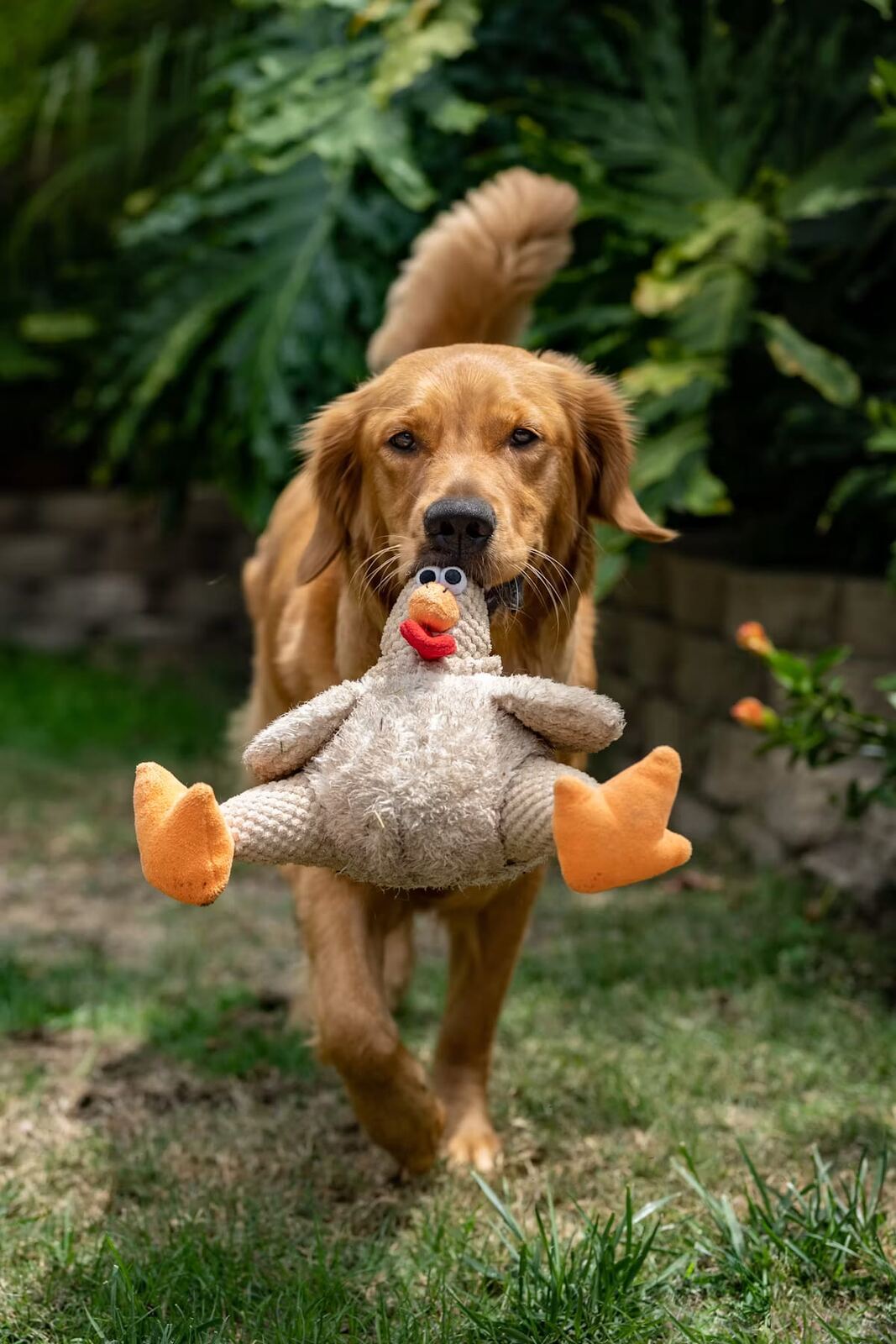
Here's something most owners never think to try: a 20-minute puzzle can tire your dog out as much as an hour-long walk. Mental fatigue is real, and it's a genuinely underused tool — especially on days your dog's energy needs outpace what you can realistically give them physically.
This guide may contain affiliate links. If you buy something through one, we may earn a commission at no extra cost to you. See our Terms of Use for details.
Puzzle feeders
Replace a regular food bowl with a puzzle that requires nudging, sliding, or flipping compartments to release kibble. Beyond mental stimulation, this also naturally slows down fast eaters, which can reduce the risk of bloat in predisposed breeds. Start with an easy level — a puzzle that's frustrating rather than solvable will just get abandoned or, worse, cause the dog to lose interest in toys generally.
Snuffle mats
A textured mat where kibble or treats are hidden in fabric folds, engaging a dog's sense of smell — an underrated form of mental work, since scent processing uses a notably large part of a dog's brain. Particularly useful for dogs who eat too fast, or as a calming activity before a stressful event (vet visits, thunderstorms).
Treat-dispensing toys (Kongs and similar)
A classic for a reason: stuff with a mix of regular kibble and something higher-value (a bit of peanut butter without xylitol, plain pumpkin), and freeze it for a longer-lasting challenge. Genuinely useful for departures, since it gives a dog something engaging during the highest-anxiety window right after you leave — see our separation anxiety guide if departures are a bigger concern than general boredom.
Flirt poles
A pole with a lure on a rope, essentially a large-scale version of a cat toy, tapping into a dog's natural prey drive. Excellent for high-energy dogs and surprisingly effective at burning energy in a small space, though it should be used with some structure (asking for a "drop it" or a sit before restarting) to avoid encouraging uncontrolled chasing of everything that moves.
Nose work / scent games
Hiding treats around a room and releasing a dog to "find it" costs nothing and provides real mental engagement. Formal nose work classes exist for owners who want to go further, but the at-home version captures most of the benefit for a curious dog.
Matching the toy to the dog
A dog with strong food drive usually responds best to puzzle feeders and treat-dispensers; a dog with strong prey drive often prefers flirt poles or fetch-based games; a scent-oriented dog (many scent hounds, and honestly most dogs) gets outsized value from snuffle mats and nose work. Watching what actually holds your specific dog's attention matters more than any general ranking.