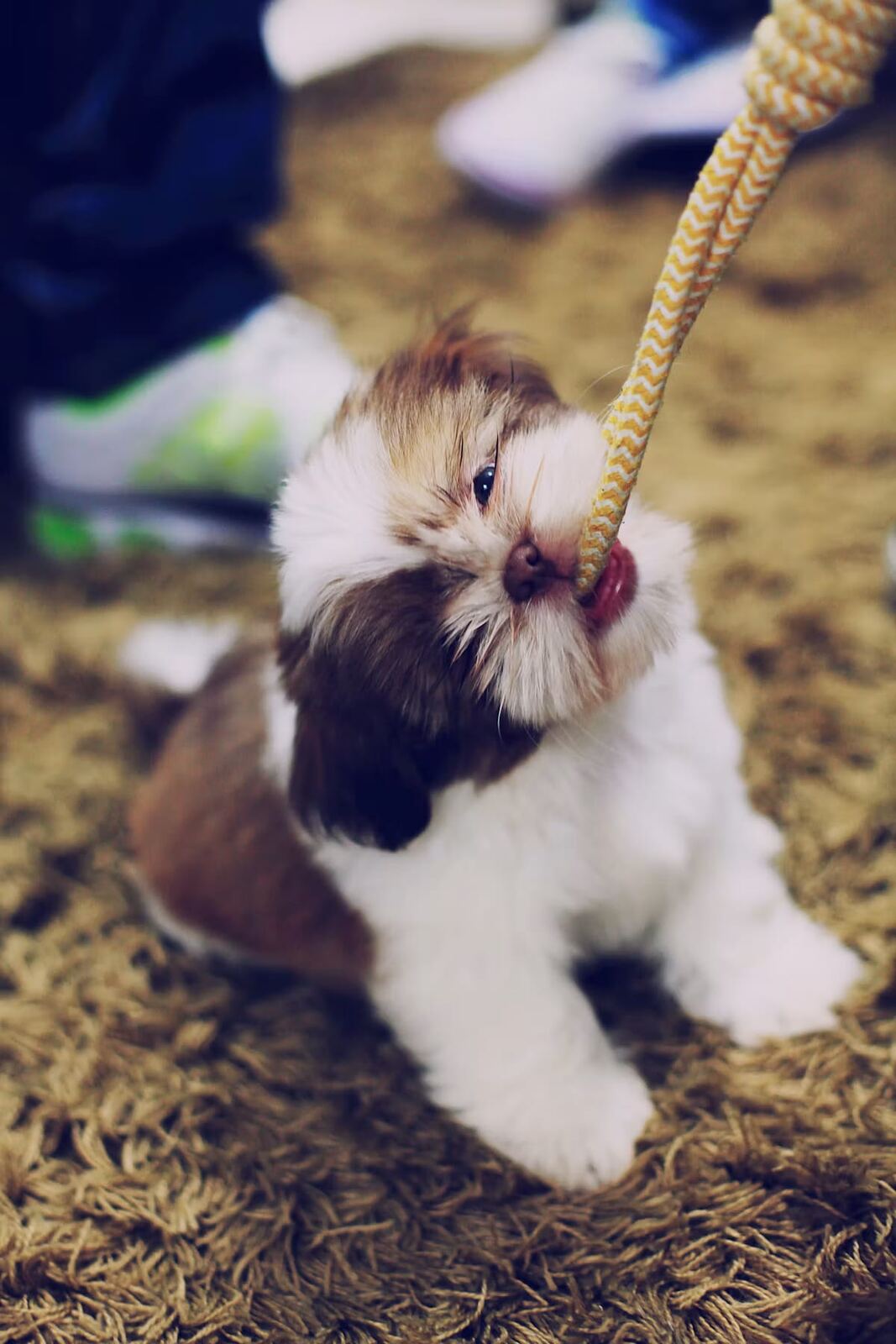
New Puppy Checklist: Everything You Need Before Bringing Them Home
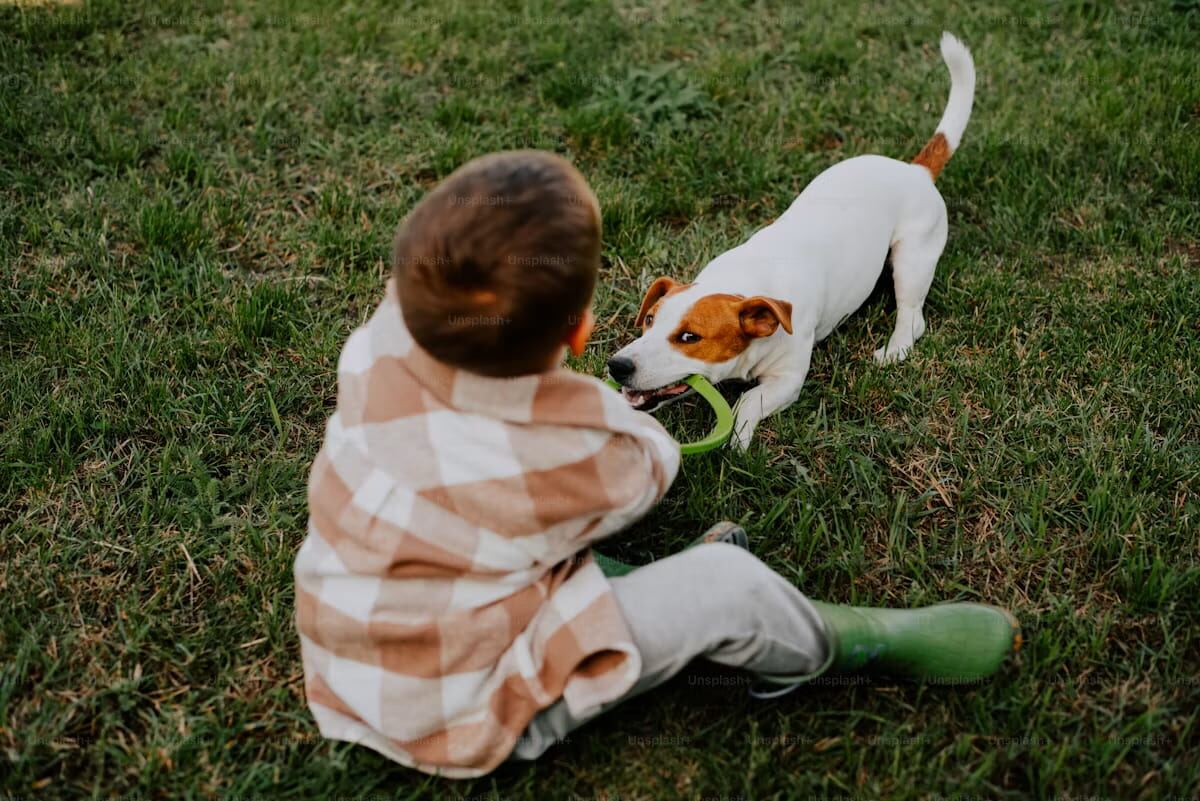
You're going to want to buy everything. The cute sweater, the fifteen toys, the bed that matches your couch. And in a week, your puppy will have used about three things from that pile. Here's what actually matters before they walk through your door — and what can wait.
The non-negotiables
- Food — same brand the breeder or shelter was already feeding. Your puppy's stomach has enough new things to deal with this week without a food switch too. Change it later, gradually, if you want to.
- A crate that actually fits — our crate training guide covers sizing.
- A well-fitted collar or harness, and a plain 6-foot leash — skip the retractable one for now. It sounds convenient; it mostly just makes it harder to grab your puppy fast when a car, a bike, or another dog shows up out of nowhere.
- Bowls — steel or ceramic, not plastic. They clean easier and last longer.
- A bathroom spot already picked out — see our potty training schedule.
- An ID tag with a current phone number, on before the first walk, not after.
Puppy-proofing, the honest version
Get down on the floor in every room before your puppy arrives. Not metaphorically — actually kneel down and look around from their height. You'll spot things you'd never notice standing up.
- Cords and cables within reach — teething puppies chew almost anything at nose height.
- Houseplants that are toxic to dogs (the ASPCA keeps a reliable list if you're not sure about yours).
- Cleaning products, medication, and small swallowable things — coins, rubber bands, a stray sock.
- Baby gates for any room you're not ready to fully puppy-proof yet.
- Gaps in your fence. Puppies are more determined, and more flexible, than you're expecting.
What's worth the money, and what isn't
Worth it: a few sturdy chew toys built for teething (better than one fancy toy that's destroyed by lunch), a proper enzymatic cleaner for accidents — regular cleaner leaves a scent trace your puppy can still smell, which just invites a repeat performance — and a baby gate if you're not proofing the whole house.
Skip it, for now: the outfit collection, a bed sized for the dog they'll be in a year (a smaller one actually feels safer to them right now, and it's cheaper to replace), and most "starter kits" — you'll use two or three items out of the dozen.
Book the vet visit early
Do this in the first few days, even if your puppy seems completely fine. It's not really about catching a problem — it's about having a baseline, confirming the vaccine schedule is on track, and getting a few minutes with someone who can answer the questions specific to your puppy, not just puppies in general.
The first two days: less is more
Keep it quiet. Skip the welcome party, hold off on the big outings, and let your puppy take in one room at a time instead of the whole house at once. A calm, boring start helps them settle in faster than an exciting one ever would.