Introducing a Dog to Swimming Safely
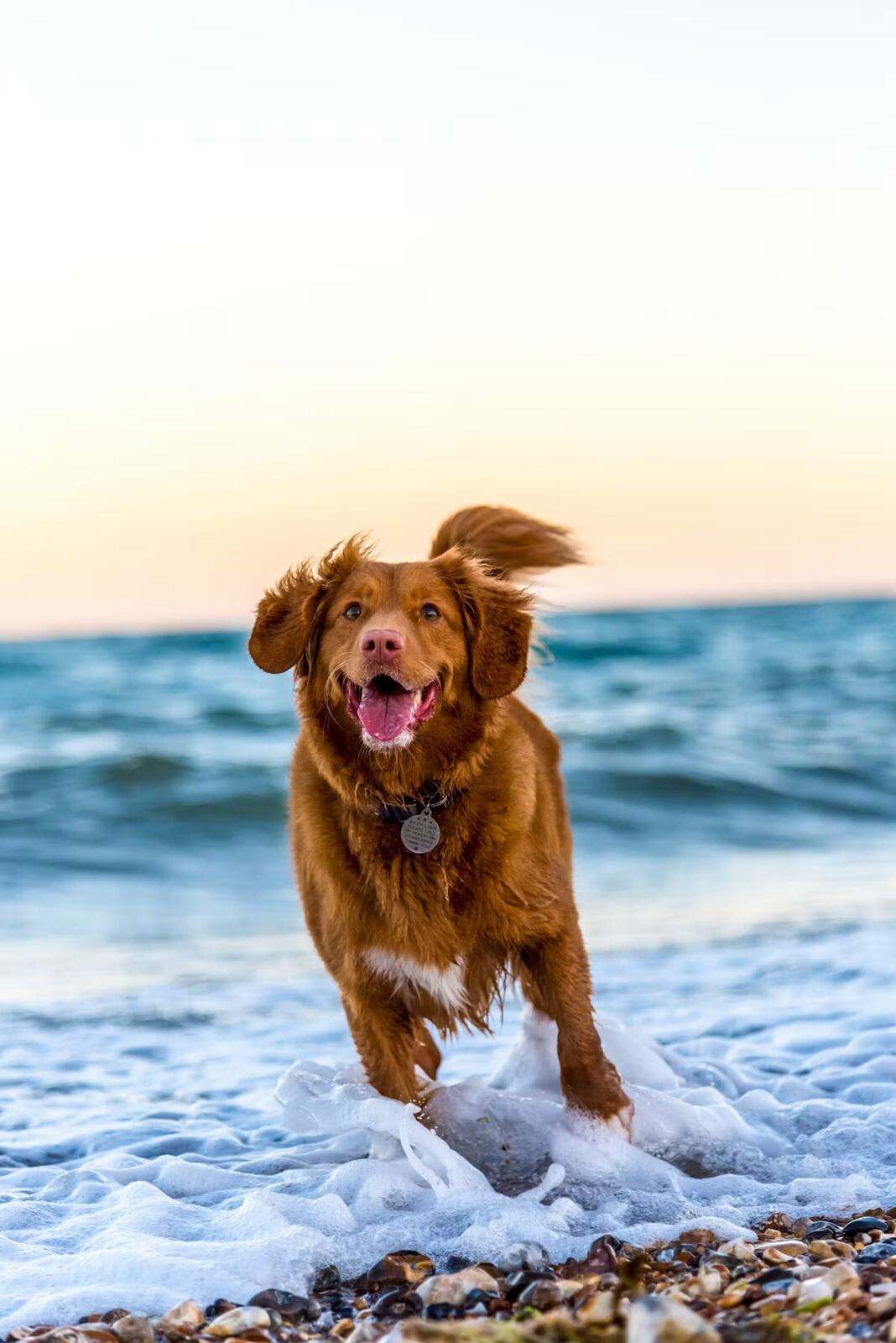
Not every dog is a natural swimmer, and forcing the issue — tossing a hesitant dog into deep water expecting instinct to take over — can create a lasting fear rather than a confident swimmer. A gradual, positive introduction, plus a few consistent safety habits, works far better and is worth doing right even for breeds assumed to love water.
Some breeds are built for it, others really aren't
Breeds like Labrador and Golden Retrievers, Portuguese Water Dogs, and Newfoundlands were developed with water work in their history and often take to swimming readily. Brachycephalic (flat-faced) breeds, very short-legged breeds, and breeds with dense, water-absorbing coats or minimal body fat can struggle more, tire faster, or be at higher risk in water regardless of enthusiasm — worth factoring in before assuming any dog will swim safely and easily.
Start shallow, always
Begin in calm, shallow water where the dog can stand comfortably — ankle to knee-deep for a person — and let them explore at their own pace rather than leading them in by the leash or collar. Wading in yourself first, calmly, without pulling the dog, often helps more than any verbal encouragement.
Make the first sessions purely positive
Toss treats into shallow water near the edge, let the dog wade in to get them, and keep every early interaction with water low-pressure and rewarding. Resist introducing swimming (water deep enough that all four feet leave the ground) until the dog is genuinely relaxed in shallow water — rushing this step is the most common reason dogs develop water anxiety rather than water confidence.
Let a calm, water-confident dog help, if you have one
Many nervous dogs gain confidence watching another calm, experienced dog swim and play in the water without incident — social learning is a real factor here, and it often does more than direct coaxing from a person.
A dog life jacket is worth it, even for confident swimmers
A properly fitted life jacket adds buoyancy and visibility, and gives you a handle to lift a tired or struggling dog out of the water quickly — genuinely useful even for strong swimmers in open water, boating situations, or unfamiliar water conditions with currents or drop-offs a dog can't anticipate.
Pool-specific safety
Teach every dog who has pool access exactly where the exit steps or ramp are, practiced together repeatedly rather than assumed — a dog who can swim but can't find the exit can tire dangerously fast in a pool with steep, slippery sides.
Open water: currents, temperature, and after-swim care
- Check for current strength and undertow before letting a dog swim in rivers, lakes, or ocean water — a dog's swimming ability doesn't account for being pulled by current.
- Cold water can tire and chill a dog faster than expected, especially for lean or short-coated breeds; limit time accordingly.
- Rinse a dog off after swimming in chlorinated, salt, or algae-prone water, and dry ears thoroughly afterward to reduce the risk of ear infections, which are common in dogs who swim regularly.
- Never let a dog drink large amounts of pool, lake, or ocean water — chlorine, salt, and algae can all cause illness.
Sources
- American Kennel Club. "How to Teach a Dog to Swim." akc.org