How to Stop Leash Pulling at Any Age
From your dog's point of view, pulling works — that's really the whole problem in one sentence. Every time they pull and get closer to a smell, another dog, or just the end of the block, that behavior just got reinforced, whether you meant for it to or not. The fix isn't out-muscling them. It's making pulling stop paying off.
The "be a tree" method
The moment the leash goes tight, stop moving completely — don't pull back, don't say anything, just stand still like a tree. Only continue walking once the leash goes slack again, even if that means stopping dozens of times in the first few walks. This teaches, through repetition, that a tight leash makes forward progress stop, while a loose leash makes it continue — dogs learn this pattern remarkably quickly once it's applied consistently.
The 180-degree turn method
Instead of just stopping, turn and walk the opposite direction the moment the leash tightens, with no verbal correction — just a change in direction. This works especially well for dogs who don't respond much to simply standing still, since it actively removes them from getting closer to whatever they were pulling toward.
Reward position, not just outcome
Rather than only reacting to pulling, proactively reward your dog for walking near you with a loose leash — treats delivered right at your side reinforce the position you actually want, rather than only ever addressing the position you don't. Dogs that only get corrected for pulling and never rewarded for not pulling have a much slower learning curve.
Equipment that helps
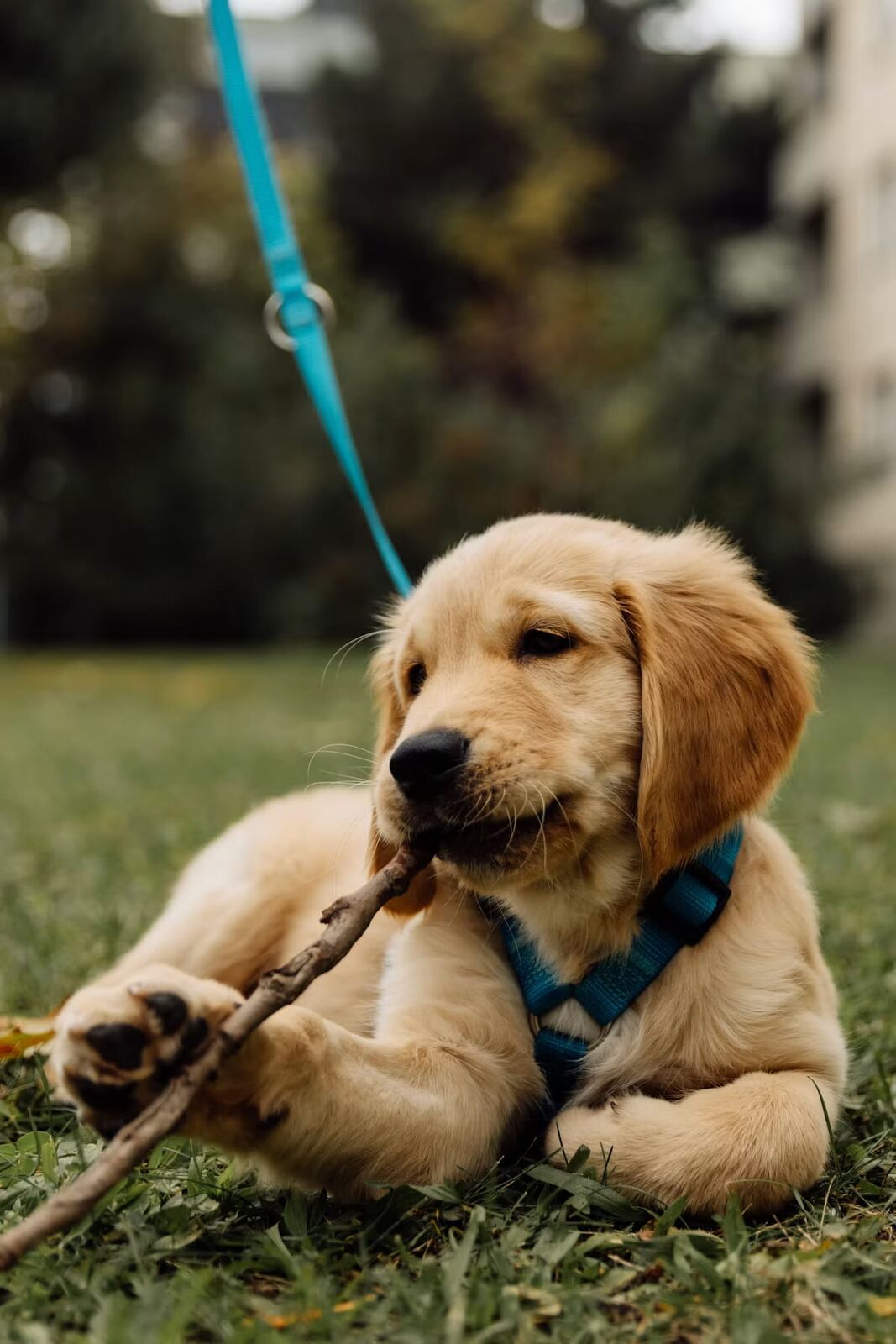
A front-clip harness (see our guide to training collars and harnesses) makes a real mechanical difference for dogs who pull hard, redirecting momentum sideways rather than letting a dog drive forward with full body weight. It's a management tool that makes training easier — not a replacement for actually training loose-leash walking.
Practice somewhere easy first
Start training loose-leash walking in a low-distraction environment (your living room, a quiet backyard) before taking it to a normal walk route full of smells, other dogs, and movement. Trying to train a brand-new skill in the most distracting environment your dog encounters is setting the exercise up to fail.
What tends not to work long-term
Retractable leashes actively work against this training, since the constant tension-release cycle teaches a dog that pulling extends their range — the opposite of the lesson you're trying to teach. A standard 6-foot leash gives you the consistent feedback loop these methods depend on.