Canine Arthritis: Early Signs Owners Miss
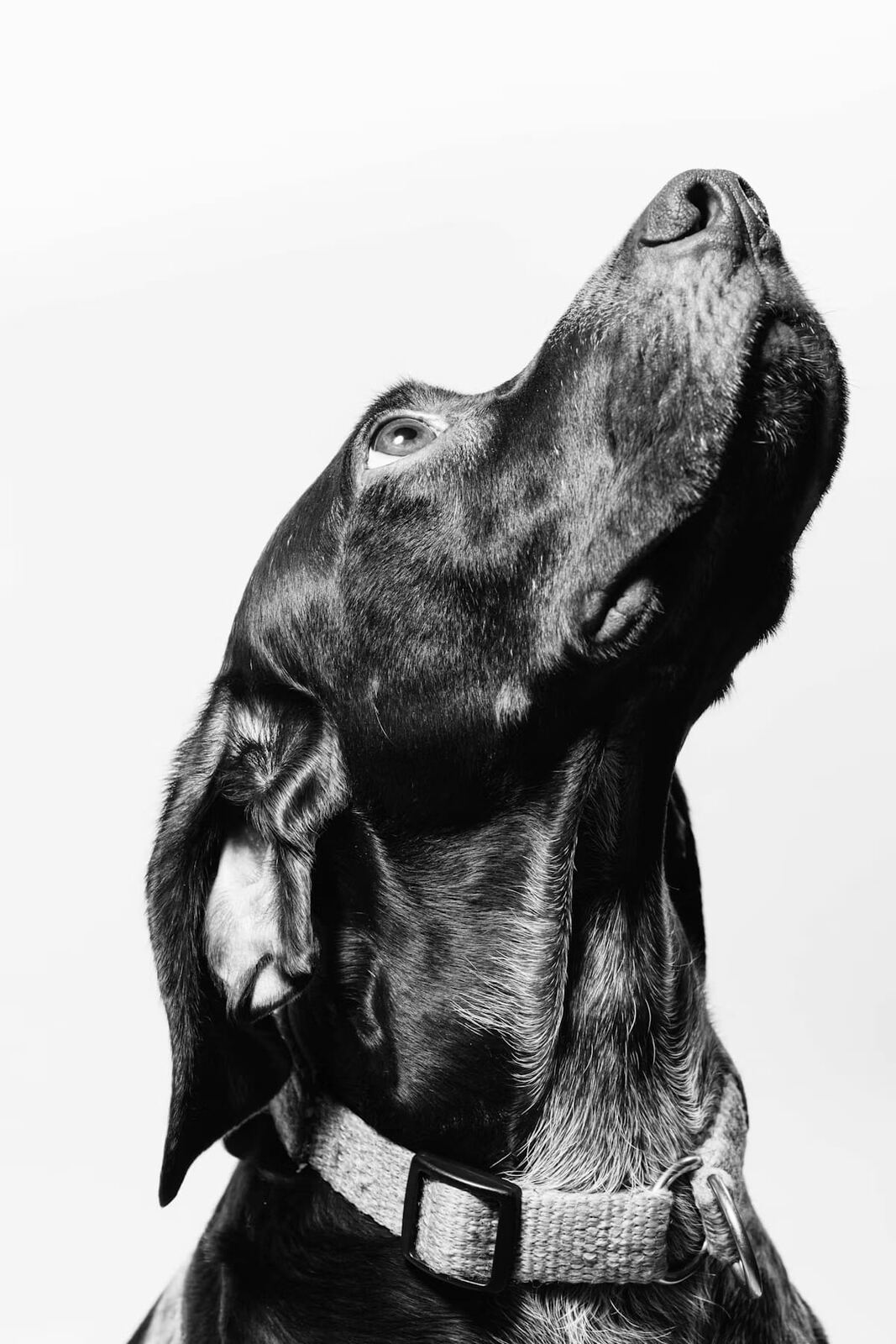
Arthritis is often described as a senior dog problem, but joint changes can start developing years before a dog shows the more obvious signs owners tend to associate with it, like visible limping. Most of the earliest signals are subtle enough to be mistaken for a dog just "slowing down" or "getting lazy" — which delays treatment during the window when it can help most.
Why early signs get missed so often
Dogs are instinctively good at masking pain — a trait that made sense evolutionarily, since showing weakness could be a liability. This means arthritis often shows up first as small behavioral shifts rather than obvious limping, and because those shifts happen gradually, they're easy to write off as normal aging rather than a specific, often manageable medical issue.
Subtle early signs worth watching for
- Slower to rise after lying down, especially first thing in the morning or after a nap, sometimes with a visible stretch or shake-off before moving normally.
- Reluctance for stairs or jumping — hesitating before jumping onto furniture or into the car, or taking stairs more slowly or one at a time.
- Reduced enthusiasm for walks or play that used to be exciting, without an obvious explanation.
- Stiffness that improves with movement — appearing stiff right after rest, then loosening up after a few minutes of walking.
- Subtle gait changes — shifting weight, a slightly shortened stride, or favoring one side that's easy to miss without watching closely.
- Increased irritability when touched in certain areas, or when other pets or children bump into them unexpectedly.
More advanced signs
As arthritis progresses without intervention, signs become more obvious: visible limping, muscle loss in affected limbs (from reduced use), audible joint sounds, and noticeable behavior changes like withdrawal or increased sensitivity. By this stage, the condition is usually more advanced and management options may be more limited than if it had been caught earlier.
Which dogs are at higher risk
- Large and giant breeds, and breeds prone to hip or elbow dysplasia specifically.
- Overweight dogs — extra weight significantly increases joint stress (see our guide to weight management).
- Dogs with a history of joint injury, even if it healed well at the time.
- Very active or working dogs with a lot of repetitive joint stress over their lifetime.
- Senior dogs generally, though onset age varies a great deal by the factors above.
What a vet visit for suspected arthritis involves
A physical exam assessing joint range of motion, pain response, and gait, often followed by X-rays to confirm and assess the extent of joint changes. Catching it at this stage — rather than waiting for obvious limping — generally means more management options are still on the table, from weight management and joint supplements to physical therapy and, when appropriate, medication.
What helps day to day, alongside veterinary treatment
- Maintaining a lean body weight, which measurably reduces joint stress.
- Ramps or steps for furniture and vehicles, reducing repetitive jumping impact.
- Non-slip flooring or rugs on slippery surfaces, since slipping is both uncomfortable and a fall risk for arthritic joints.
- Consistent, moderate low-impact exercise (like swimming or steady walks) rather than sporadic high-intensity activity, which keeps joints mobile without overloading them.
- A supportive orthopedic bed, particularly for larger dogs.